
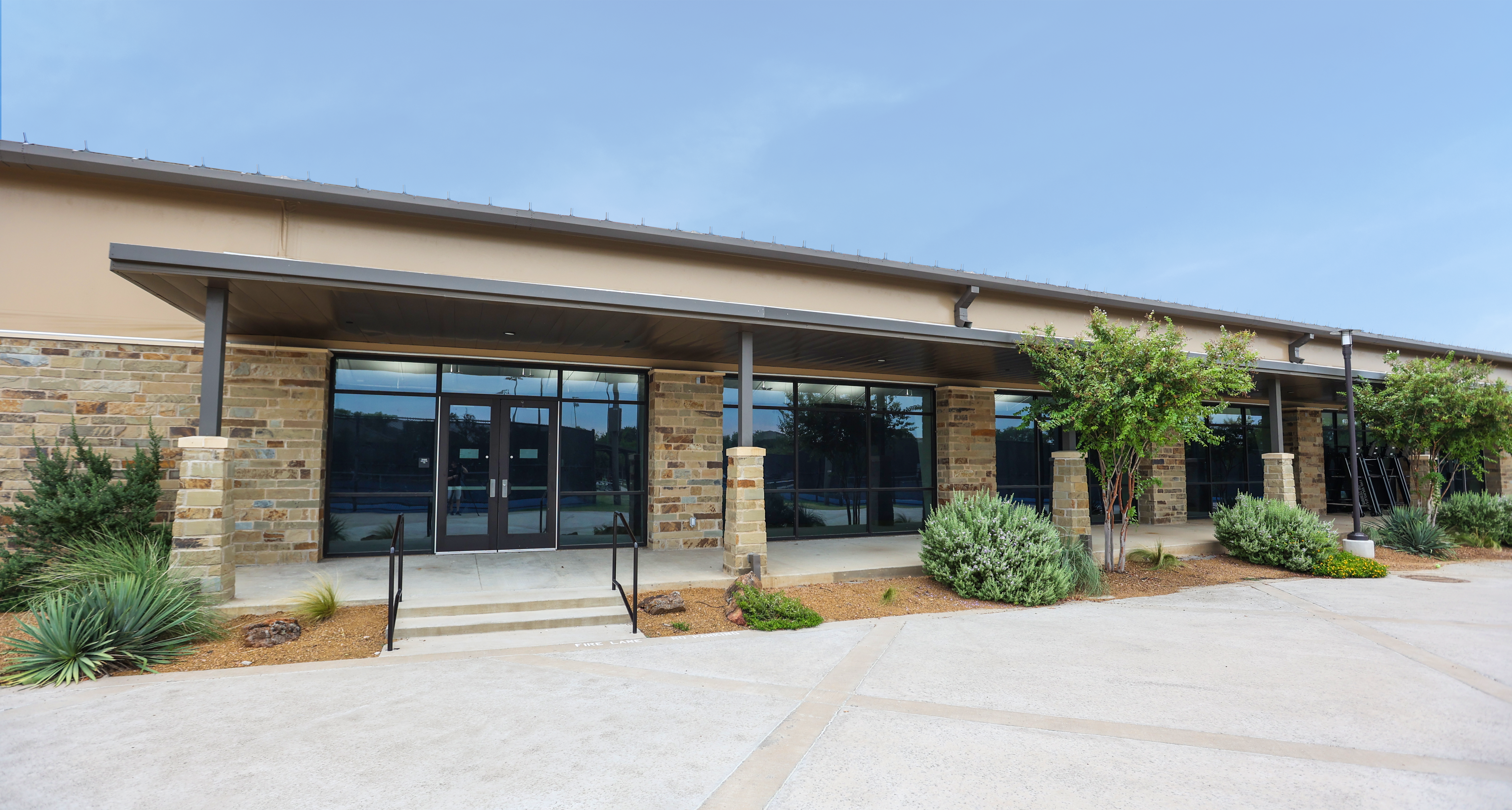
In modern building design, architects and facility owners often face a trade-off: prioritize aesthetics or performance. Traditional construction methods limit material choices, restrict design creativity, and hinder achieving a cohesive architectural vision.
But it doesn’t have to be that way.
Today’s most innovative building design solutions offer design flexibility without sacrificing structural integrity or operational performance. By rethinking how buildings are engineered, it’s possible to achieve both—creating visually striking structures that meet the highest standards for durability, efficiency, and functionality.
Why Traditional Building Methods Limit Design
Across industries—corporate, municipal, industrial, or sports and recreation—buildings are expected to meet specific aesthetic standards. Corporate facilities must reflect brand identity, and municipal structures should align with community character.
However, conventional construction systems create limitations. Architects are often constrained by materials that must serve both structural and aesthetic roles. This can lead to compromises in:
- Exterior appearance
- Material selection
- Architectural detailing
- Integration with surrounding buildings
In many cases, teams sacrifice their original design intent to meet structural requirements.
A Smarter Approach: Separating Structure from Aesthetics
An advanced approach to building design separates structural performance from exterior materials, allowing architects to focus on aesthetics without compromising engineering integrity.
With a rigid steel framework supporting the building, a wide range of façade materials can be incorporated, including:
- Brick and stone
- Metal panels
- Architectural precast
- Wood and masonry
This flexibility enables the creation of buildings that align with campus standards, brand guidelines, or community expectations—without sacrificing performance benefits like durability and energy-efficient architecture.
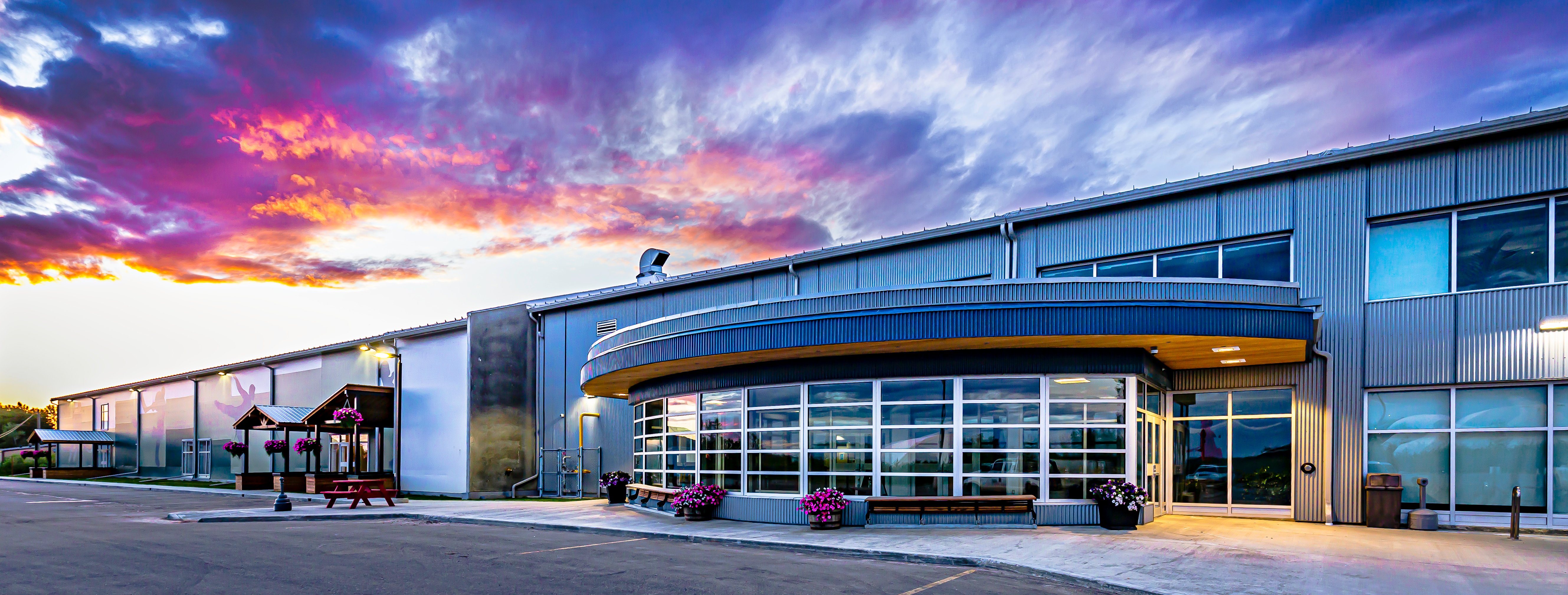
Seamless Mixed Material Integration
One of the most powerful advantages of innovative building design is the ability to integrate multiple materials seamlessly. Facilities can incorporate real brick veneer at significant heights while maintaining a high-performance roofing system.
This approach ensures that buildings don’t just meet aesthetic requirements—they elevate them. Architects can create visually dynamic structures that feel permanent, polished, and aligned with their environment.
Custom Colors and Branding Opportunities
Design flexibility extends beyond materials to include custom color options and branding integration.
Advanced cladding systems are available in standard colors like white, tan, green, blue, and gray, with custom colors available for larger projects. This allows organizations to match:
- Corporate branding
- School or university colors
- Municipal design standards
Interior spaces can also be customized. Light-reflective interior finishes enhance brightness, while colored liners can reinforce branding or create a specific atmosphere within the building.
Architectural Detailing That Elevates Design
Details matter—and modern building systems make it easier to incorporate architectural innovation that enhances visual appeal.
Options such as:
- Eave extensions
- Decorative overhangs
- Custom trim elements
- Integrated signage and logos
allow buildings to move beyond purely functional structures and become architecturally refined spaces.
These elements help create depth, shadow lines, and visual interest, while maintaining the efficiency of energy-efficient architecture.
The Power of Natural Daylighting
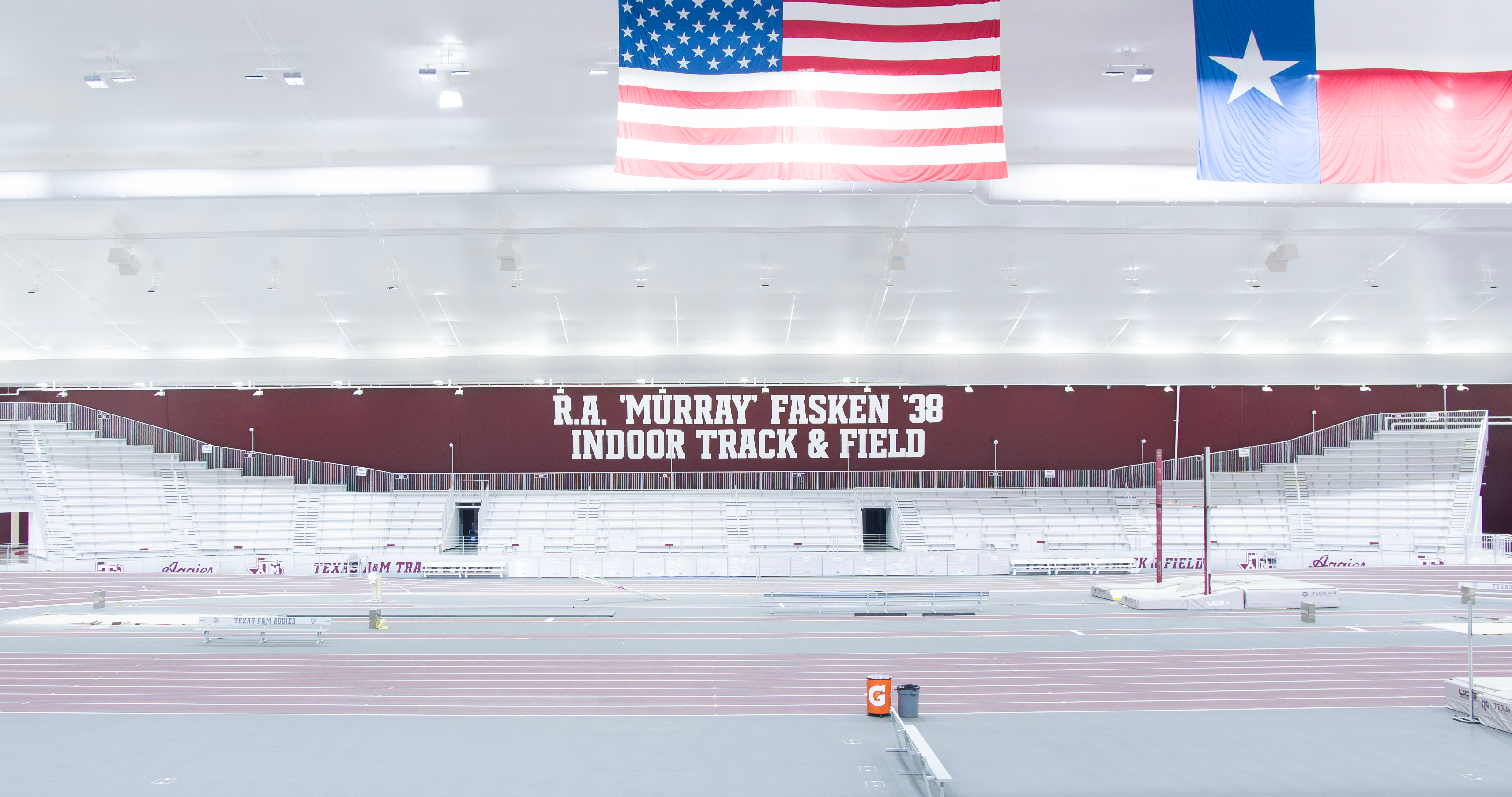
Another major advantage of innovative building design is the ability to incorporate natural daylighting throughout the interior space.
Unlike traditional skylights or windows that create uneven lighting, translucent cladding systems distribute light evenly across the entire building. This results in:
- Reduced reliance on artificial lighting
- Lower energy costs
- Improved visibility and productivity
- A more comfortable and visually appealing environment
For facilities like sports complexes, manufacturing plants, and warehouses, consistent lighting can significantly enhance both performance and user experience.

Designing for Performance and Aesthetics
The future of construction lies in solutions that don’t force trade-offs. By combining structural innovation with architectural flexibility, today’s buildings can deliver:
- High-performance engineering
- Faster installation timelines
- Energy efficiency
- Custom, visually compelling designs
This approach empowers architects, engineers, and facility owners to bring their full vision to life—without compromise.
Final Thoughts
Design constraints should never limit creativity. With the right building system, it’s possible to achieve both architectural excellence and superior performance.
Whether designing a corporate headquarters, municipal facility, sports complex, or industrial space, choosing a solution that supports integrated building systems, custom detailing, and natural daylighting ensures your building stands out—for all the right reasons.