
Why Environmental Performance Matters in Building Design
Energy efficiency is crucial in construction for long-term operational success. For facilities like industrial, municipal, and athletic buildings, expenses related to lighting, heating, cooling, and ventilation often surpass initial construction costs. High-performance building design can significantly reduce these building operating costs.
Traditional construction methods, particularly those using steel and opaque building envelopes, increase energy demand. These systems rely heavily on artificial lighting and mechanical HVAC systems, leading to higher utility costs and reduced efficiency. This is where sustainable architecture comes into play, incorporating smart building technologies to reduce building operating costs.
Legacy Building Solutions tackles these challenges by integrating environmental performance into building design. By utilizing LEED compliant buildings, natural daylighting, and fabric building energy efficiency, facilities can reduce building operating costs while improving conditions. The use of LEED compliant building materials further enhances this efficiency.
Energy Costs Add Up: Fight Back with Smarter Design
Operational costs are driven by lighting, heating, cooling, and ventilation systems. Conventional buildings often require continuous operation due to structural limitations. Smart building technologies can mitigate these costs.
- Opaque walls and roofs limit access to natural light, increasing lighting costs.
- Metal construction conducts external temperatures, increasing HVAC loads.
- Mechanical ventilation systems are essential to regulate airflow and moisture.
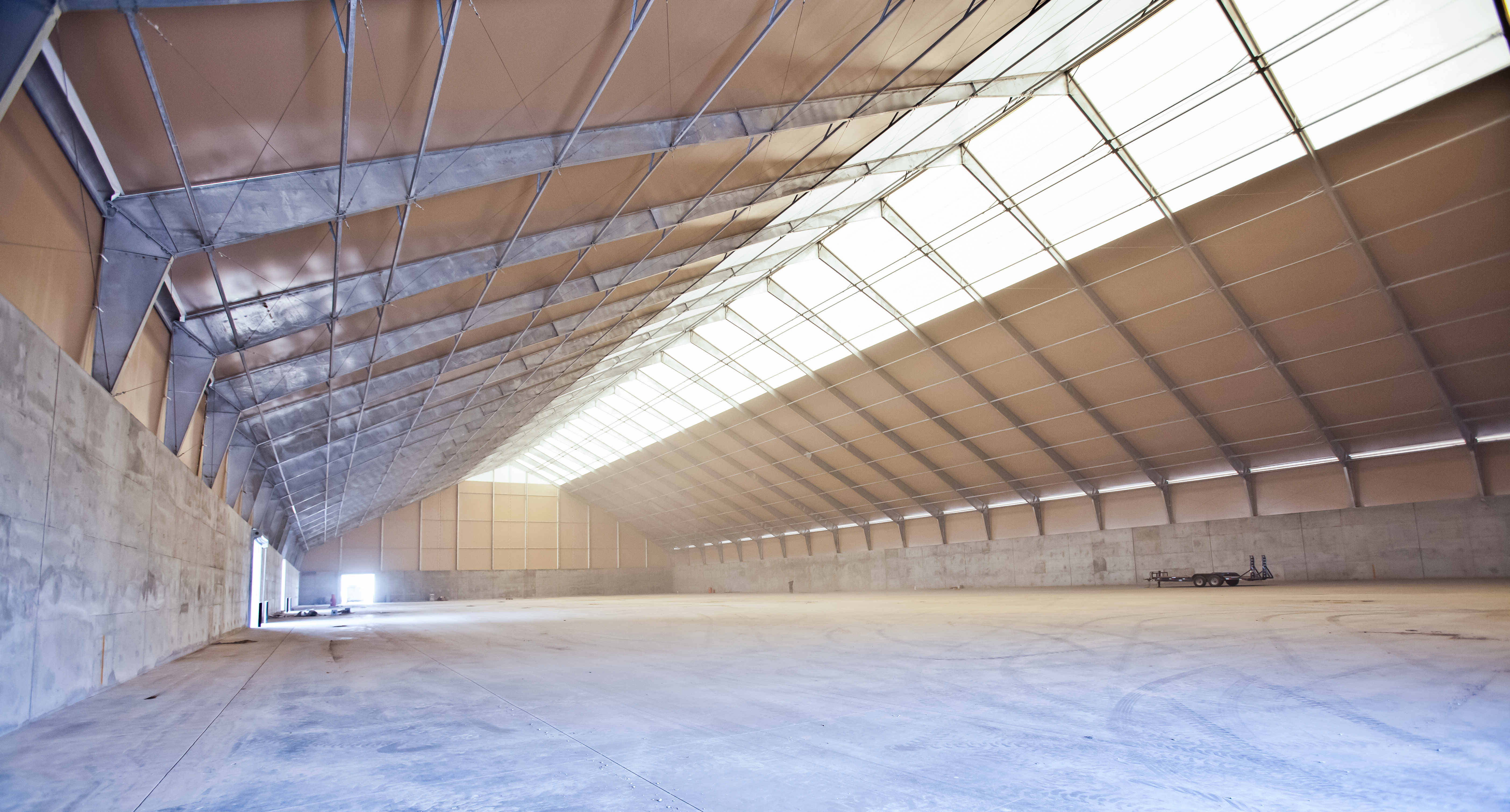
- Natural daylight integration based on building application to reduce electrical lighting loads. In uninsulated buildings, translucent ExxoTec™ PVC cladding allows diffuse daylight to evenly illuminate the interior, often eliminating the need for artificial lighting during daytime hours. In fully insulated buildings, Legacy incorporates a bright white interior liner that acts as a reflective surface, maximizing light distribution and reducing the number of required fixtures and overall energy consumption.
- Thermally non-conductive building envelope that stabilize indoor temperatures and reduce heat transfer. Unlike metal systems, Legacy’s PVC membrane does not conduct exterior temperatures into the structure. When paired with insulation and a continuous liner system, this eliminates thermal bridging and improves overall thermal envelope performance.
- Airtight building envelope design that enhances energy efficiency by minimizing uncontrolled air infiltration and heat loss. The tensioned fabric system and sealed liner create a tight building envelope, reducing HVAC loads, improving temperature consistency, and supporting more efficient climate control.
- Passive climate control systems engineered to minimize mechanical dependence. By utilizing strategic air intake at the eaves and exhaust at the ridge, Legacy buildings promote natural convection airflow, reducing the need for powered ventilation while maintaining air quality and moisture control.
- Reduced electrical demand for lighting
- Lower installation and maintenance costs for lighting systems
- Improved light uniformity without glare or hot spots
- Enhanced occupant comfort and productivity
These factors increase energy consumption and maintenance demands. Legacy’s approach focuses on:
This integrated approach leads to measurable reductions in building operating costs while enhancing occupant comfort and productivity.
Environmental Performance Through Design
Natural Daylighting: Reducing Electrical Demand
Natural daylighting buildings offer one of the most immediate and measurable opportunities for energy savings. By utilizing translucent fabric materials, Legacy structures allow diffuse daylight to penetrate the building envelope, significantly reducing reliance on artificial lighting and lowering electrical consumption.
In uninsulated buildings, the translucent ExxoTec™ PVC cladding (approximately 12% translucency) enables daylight to be evenly distributed throughout the interior space. This often allows facilities to operate with little to no artificial lighting during daytime hours, making it a highly effective solution for bulk storage, salt sheds, and agricultural applications.
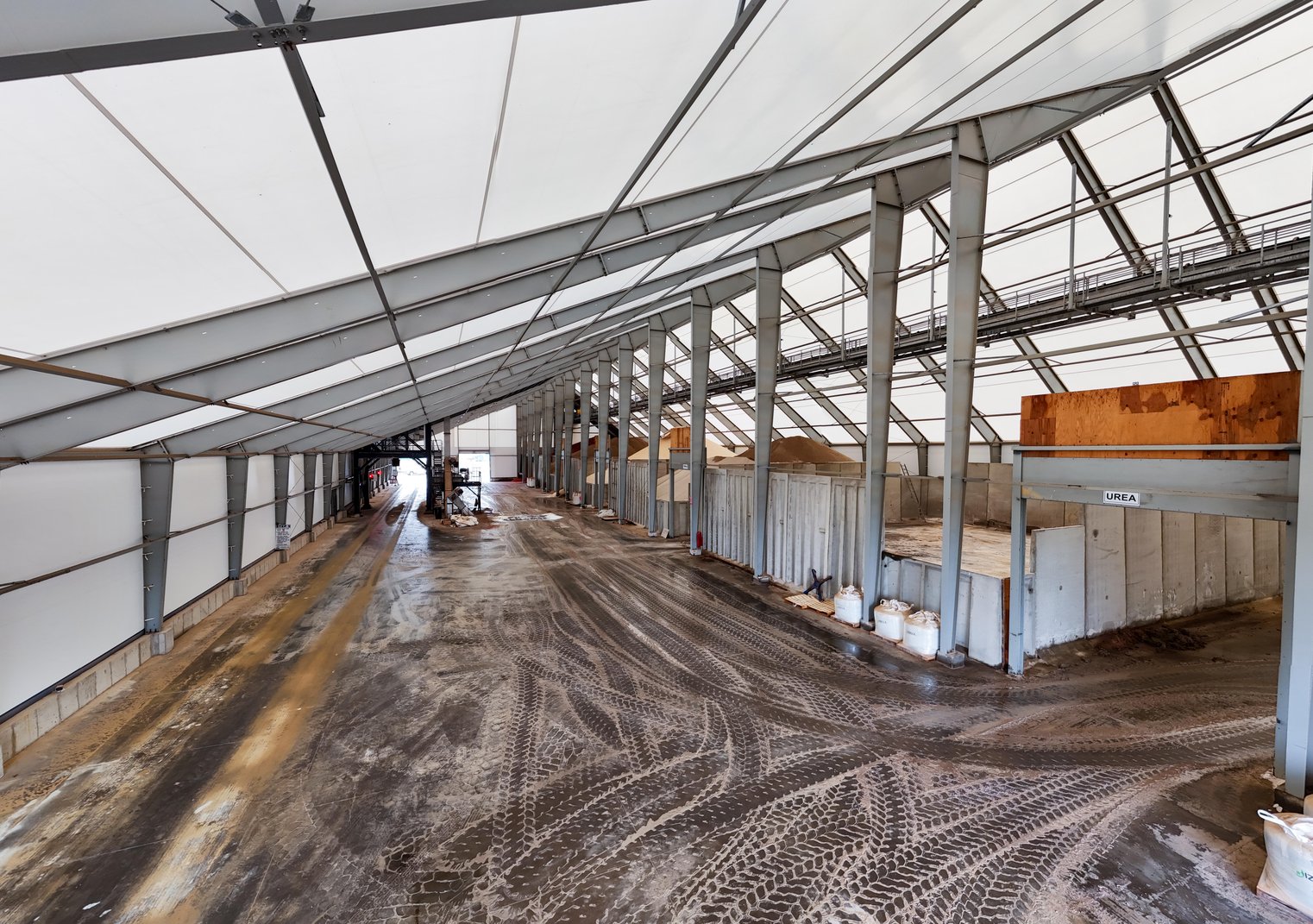
In lined and insulated buildings, daylighting performance is further enhanced through the use of a bright white interior liner system. This liner acts as a reflective surface, maximizing light diffusion and distribution throughout the space. By increasing reflectivity, fewer light fixtures are required to achieve desired illumination levels, which reduces both upfront electrical infrastructure costs and ongoing energy usage.
This combined approach ensures:
By integrating daylighting strategies across both uninsulated and insulated applications, Legacy delivers a flexible, high-performance solution that supports energy-efficient building design across a wide range of use cases.
Sustainable Materials and Long-Term Efficiency
Environmental performance also includes material longevity and lifecycle efficiency. Using durable, corrosion-resistant materials reduces maintenance and aligns with LEED compliant buildings and sustainability initiatives.
Sustainability benefits include lower total energy usage and reduced material replacement frequency, supporting LEED compliant building materials strategies.
This positions fabric structures as a forward-thinking solution for organizations prioritizing performance and environmental responsibility, ultimately reducing building operating costs.