
Why Hiring a Construction Manager Saves You Time, Money and Stress
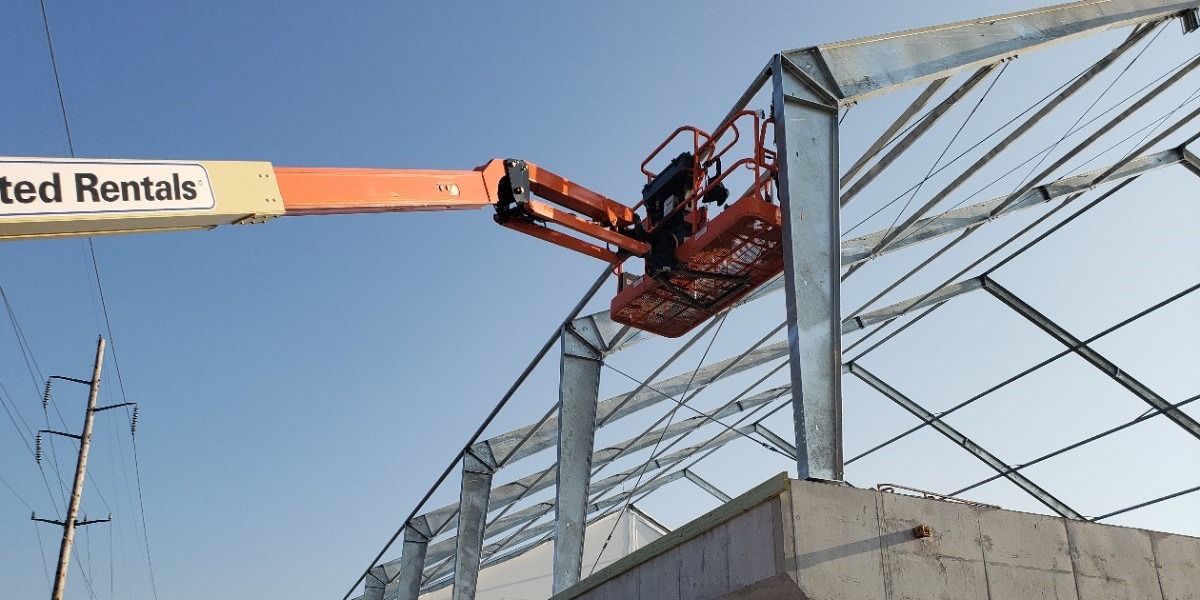
Construction managers are professionals engaged by the owner of a construction project to act as their liaison through all phases of construction. In the case of building construction, the construction manager would oversee all phases of the project, including permitting, sitework and prep, building construction and finishing.
Why a Construction Manager?
The primary role of a construction manager (CM) is to act as a representative and advocate for the building owner.
End-to-End Construction Management
Unlike general contractors, who enter a project after the building plans are drawn and approved, a CM is part of a project from conception to completion. This gives the building owner two advantages in the early stages of the project:
- Value engineering – the CM will work with the owner’s design team to suggest construction methods and materials that will reduce the project’s cost and improve overall quality.
- Time savings – with no need to shop the plans to various contractors and receive bids, the owner of a construction management job saves weeks of time
Construction management at this phase benefits all owners, regardless of their experience with construction. Novices will receive guidance and advice needed to avoid pitfalls later on. Experienced owners will eliminate hassles by delegating day-to-day management and hassles to the CM to handle on their behalf.
Construction managers will help avoid common building pitfalls, such as these.
Pre-Construction
During the pre-construction process, the concept of “constructability” is vital. In short – is it possible to build what you want, the way you want it, in the location you want, and with your budget? How exactly will the finished product look? What obstacles are likely to crop up? How will you handle them?
The CM will answer all these questions and more. The manager will help the owner determine the size and shape of the finished building, as well as what systems are needed (HVAC, conveyors, etc.) to achieve the desired results. Owners and construction managers will collaborate to determine a feasible timetable and milestones before construction begins.
Critical decisions, such as building materials, are made during the pre-construction phase.
The construction manager will also hire subcontractors and crews for construction. Using their industry expertise and connections, the CM will secure crews for every aspect of the job.
The Construction Process
Most job owners are unwilling or unable to be on the jobsite on a daily basis. The construction manager will serve as the owner’s eyes and ears and provide a full report on an agreed-upon schedule.
During construction, the CM will handle or delegate many of the daily hassles of construction – including renting equipment, filing permits, notifying everyone on the jobsite of changes to the plan or schedule, and periodic inspections. Having this representative on site will provide the project owner with peace of mind throughout construction.
Legacy provided construction management services for The Venue at River Cree. Check it out.
Having a construction manager onsite will save the building owner time and stress when the inevitable unexpected happens. It is indeed a rare construction project where everything proceeds as planned. The construction manager will handle issues related to weather delays, permitting, problems with subcontractors and the like.
Post-Construction
The Construction Manager stays on the project until all aspects of the job are completed – including filing paperwork, cleaning up, returning rented equipment and ensuring outstanding invoices are paid correctly.
At the end of the project, the Construction Manager will turn the keys over to the building owner and answer any questions about features or aspects of the project. If the building owner decides to expand or make changes to the building in the future, the Construction Manager will have a deep knowledge of the project and provide similar services for the expansion.
Safety
The first priority on any construction site has to be safety. That is the first priority for the construction manager as well. The Construction Manager will work to protect the reputation of the job owner and the safety of workers and visitors on the jobsite by ensuring every step of the process uses best safety practices.
The Construction Manager will ensure jobsite safety by:
- Enforcing agreed-upon safety standards (such as OSHA) throughout the process
- Making the final call when weather or other unforeseen conditions compromise jobsite safety
- Setting a realistic timeframe that allows all work to be completed safely and on time
Construction Management vs General Contractors
Most projects will require the services of a General Contractor or a Construction Manager – not both. While GC’s and CM’s perform similar services, there are a few key differences.
- General Contractors are engaged after the building plans are finalized. Construction Managers are on the job during the pre-construction and design process. Involving the CM earlier in the process reduces the amount of costly change orders needed during construction.
- Most GC’s realize a greater profit if the project comes in under budget. In extreme cases, this may result in the contractor cutting corners in order to make more money.
- Because CMs typically do not have a fixed staff or set of subcontractors, they are more geographically flexible and able to relocate or work on far-flung projects.
The Cost of a Construction Manager
Of course, one of the main concerns on any construction project is the budget. How will hiring a construction manager impact that budget?
Construction managers work with most types of project delivery, including design-build, construction management at work, traditional design-bid-build and P3. The construction manager’s fee will be determined based on the initial contract with the manager or their firm.
While the fee for construction management is on top of the actual costs of construction, many business owners will see an overall savings and return on investment. The construction manager will handle negotiations and look for efficiencies during all phases of construction. And most owners will find the time savings an incredible added value to the project.
Legacy Building Solutions offers expanded construction management services as part of our full-service offerings. No matter where you are on your project, a construction manager can help. Contact us to learn more.
FAQ: Construction Management Services Explained
A construction manager (CM) acts as the building owner’s representative from project conception through completion. Unlike a general contractor, a construction manager is involved in pre-construction, design collaboration, permitting, subcontractor hiring, site oversight, safety enforcement, budgeting, scheduling, and post-construction closeout.
Their responsibilities include:
- Coordinating with architects and engineers during design
- Managing permits and site preparation
- Hiring and overseeing subcontractors
- Monitoring schedules and budgets
- Handling unexpected issues like weather delays or material shortages
- Ensuring OSHA and jobsite safety compliance
- Final walkthrough, documentation, and project turnover
A construction manager serves as the owner’s advocate, ensuring the project stays aligned with budget, timeline, and quality expectations.
The primary difference between a construction manager (CM) and a general contractor (GC) is when they become involved and who they represent.
- A construction manager is involved during the pre-construction and design phases and works directly as an advocate for the building owner.
- A general contractor is typically hired after plans are finalized and focuses on executing the construction work.
Key differences:
- CMs assist with value engineering before construction begins.
- CMs help reduce costly change orders by being involved early.
- GCs may profit more if the project comes in under budget.
- CMs are often more geographically flexible and not tied to a fixed subcontractor team.
For owners who want oversight from concept to completion, construction management offers a more integrated approach.
Many owners find that hiring a construction manager provides long-term cost savings and return on investment.
While the construction manager’s fee is in addition to construction costs, they help:
- Reduce change orders through early involvement
- Improve budgeting accuracy
- Negotiate subcontractor pricing
- Identify cost-saving materials and methods through value engineering
- Prevent expensive delays
- Save weeks in the bidding process
- Avoid costly construction mistakes
In addition to financial savings, owners benefit from reduced stress, improved communication, and professional oversight throughout the project.
Pre-construction is one of the most valuable phases of construction management. During this stage, the construction manager focuses on “constructability,” ensuring the project can realistically be built within budget, timeline, and site constraints.
During pre-construction, a CM will:
- Evaluate site conditions
- Help determine building size and layout
- Coordinate systems such as HVAC, conveyors, and specialty equipment
- Develop realistic timelines and milestones
- Recommend materials and methods through value engineering
- Identify potential risks before construction begins
Early involvement helps owners avoid delays, budget overruns, and design conflicts later in the project.