
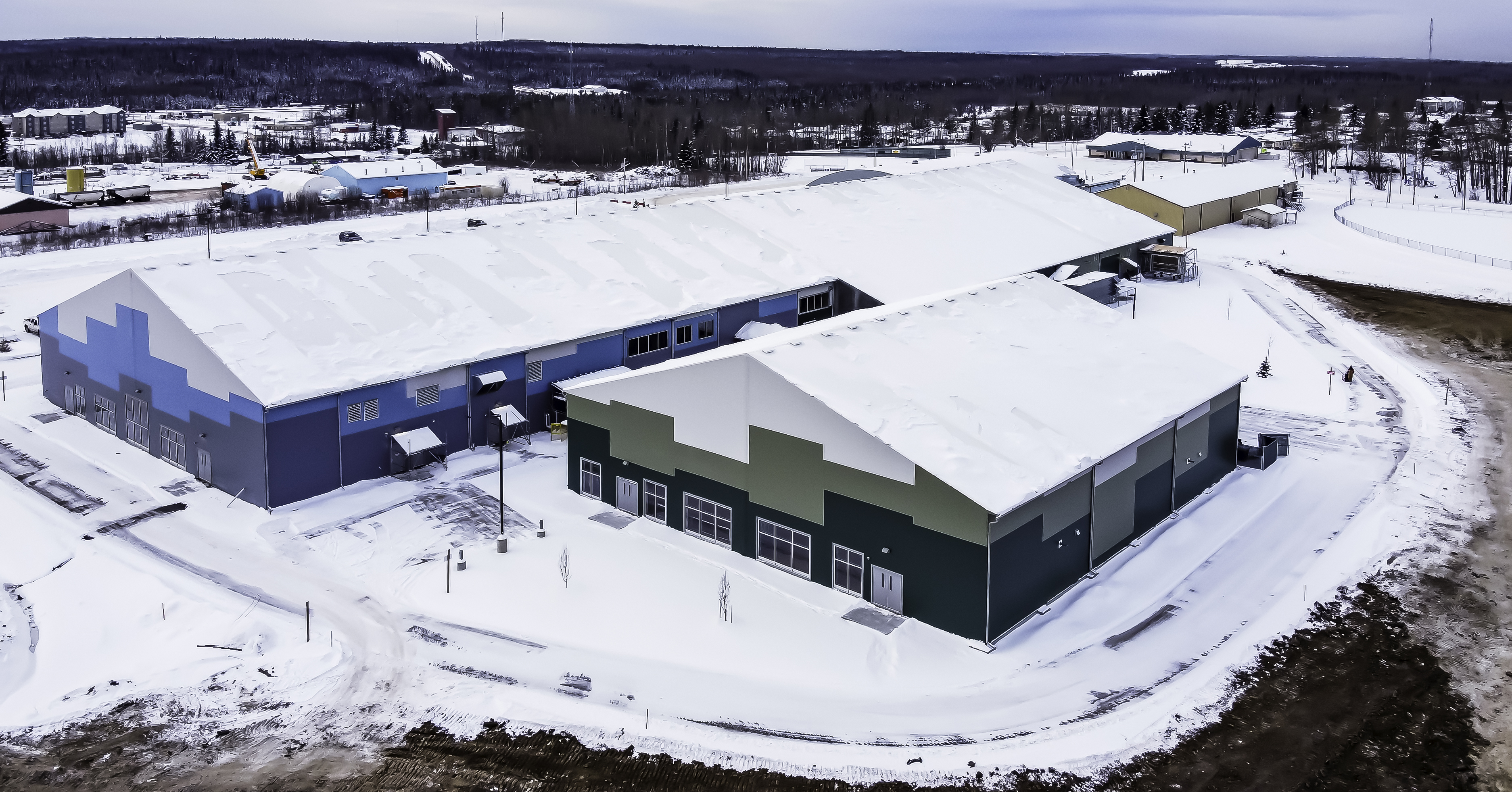
When planning a building in harsh environments, one of the most common questions is: Can a fabric structure really stand up to extreme weather?
From heavy snow and high winds to freezing temperatures and constant exposure, your building needs to perform year-round. Legacy’s hybrid structures in extreme weather are engineered to do exactly that—delivering reliable performance across a wide range of conditions, with distinct advantages in cold climates. That’s why more teams are turning to Cold Climate Building Solutions that prioritize durability, efficiency, and safety.
Built for All Weather Conditions
Fabric structures are designed to handle a variety of environmental challenges, making them a dependable solution across industries and regions. In particular, fabric buildings for harsh environments are engineered to meet strict performance requirements, whether the challenge is wind, snow, or extreme temperature swings.
Wind Resistance
Fabric buildings must be designed to meet the specific wind requirements of their location.
Legacy structures are custom engineered for the exact geographic location where they will be installed, ensuring they meet applicable wind load requirements and building codes.
Rather than relying on a one-size-fits-all design, each building is engineered based on factors such as:
- Local wind speeds
- Exposure category
- Building size and use
This ensures reliable performance in real-world conditions—without over- or under-engineering the structure.
.jpg?width=3264&height=2448&name=Los%20Bronces%20(66).jpg)
Snow Load Performance
Fabric buildings are designed to handle snow loads based on the environmental demands of their location.
Legacy buildings typically use a 6:12 roof pitch, which supports effective snow management. However, roof pitch may be adjusted depending on:
- Required snow loads
- Building size and span
- Geographic location
Every structure is custom engineered to meet local snow load requirements, ensuring it performs as intended—even in regions with heavy snowfall.
Waterproof Protection
The fabric membrane is fully waterproof, protecting equipment, materials, and personnel from rain and moisture intrusion. For fabric buildings for harsh environments, this level of protection is critical to maintaining safe, dry operations in all seasons.
UV Durability
Fabric materials are treated to resist UV degradation, ensuring long-term performance even in environments with high sun exposure. Combined with other Cold Climate Building Solutions, this durability supports consistent performance over the life of the structure.
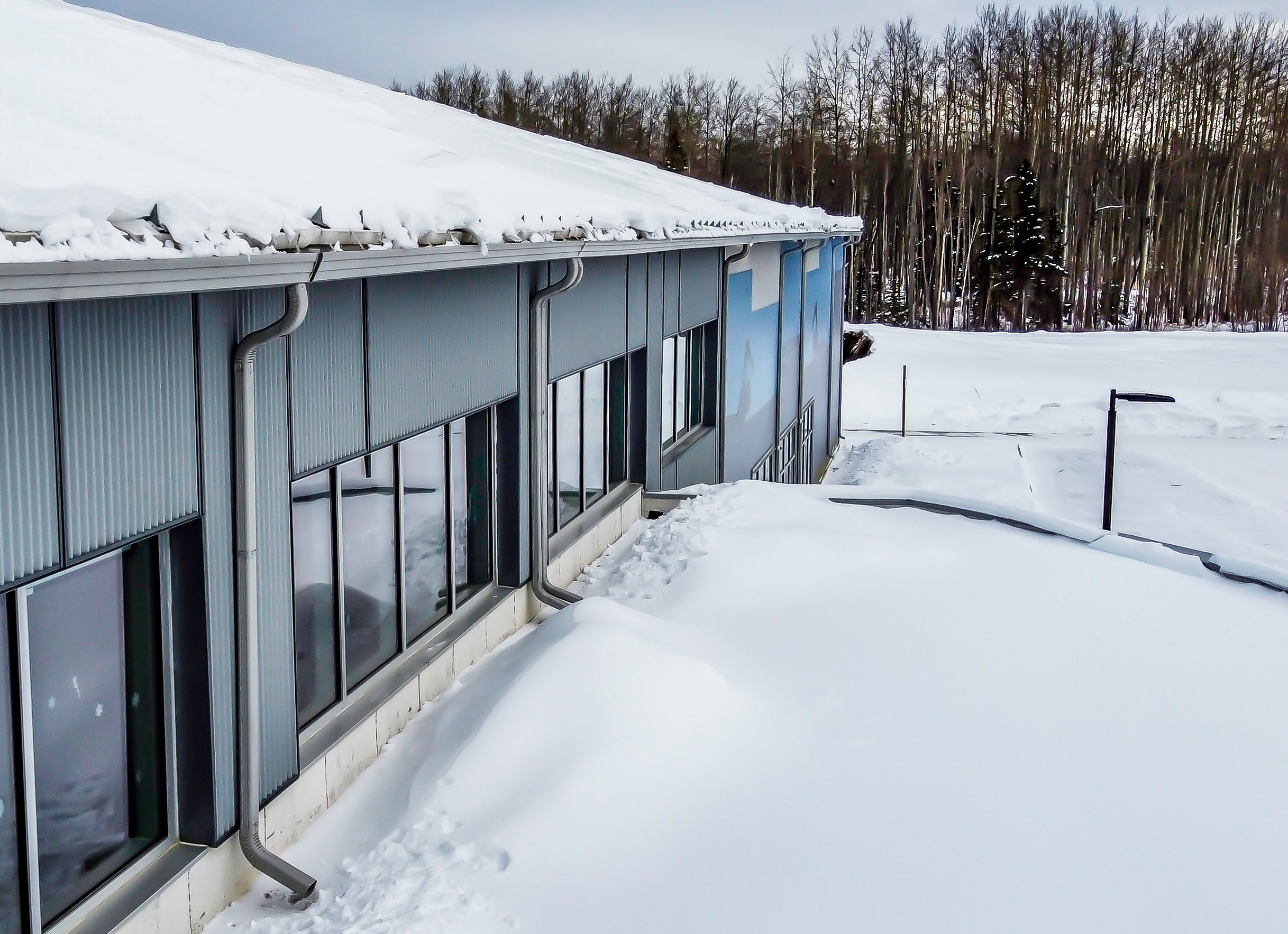
Why Fabric Buildings Excel in Cold Climates
While fabric structures perform well in all weather conditions, they offer specific advantages in cold climates that make them especially effective. Purpose-built fabric buildings in cold climates can be tailored to address snow, ice, wind, and temperature-related challenges.
1. More Stable Interior Temperatures
Unlike traditional metal buildings, which rapidly transfer outside temperatures, fabric structures help maintain a more consistent interior environment—particularly when properly insulated. As part of comprehensive Cold Climate Building Solutions, this contributes to occupant comfort and more predictable operating conditions.
2. Reduced Condensation
Condensation is a common issue in cold-weather buildings, especially those made of metal.
Fabric structures help minimize condensation by:
- Reducing temperature differentials
- Supporting better airflow
- Limiting moisture buildup on interior surfaces
3. Snow Management
Fabric structures are engineered to handle snow loads, and their design can help reduce excessive buildup when paired with proper building use and internal conditions. This is a key reason fabric buildings in cold climates are often chosen for regions with frequent storms and drifting snow.
4. Energy Efficiency Considerations
Because fabric buildings do not conduct temperature in the same way as metal structures, they can offer efficiency advantages—especially when insulation and heating strategies are properly designed. Integrated Cold Climate Building Solutions can further optimize energy use, helping control long-term operating costs.
Natural Light Considerations
Fabric buildings are often associated with natural light, but this benefit depends on the specific building configuration.
- Non-insulated fabric structures allow diffused daylight to enter, which can reduce the need for artificial lighting during the day.
- Insulated fabric buildings do not provide the same level of light transmission due to added insulation layers.
Additionally, Legacy’s white fabric offers approximately 12% translucency, allowing for soft, diffused light rather than full daylight exposure.
Why This Still Matters
Even with lower translucency levels, fabric structures can:
- Reduce glare compared to traditional skylights
- Provide more even light distribution
- Improve visibility without harsh shadows
For projects where natural light is a priority, building design—including insulation and layout—should be considered early in the planning process, especially when developing fabric buildings for harsh environments that must balance light, comfort, and efficiency.
.jpg?width=4608&height=3456&name=Solar%20Ship%202015%20Aviation%20(25).jpg)
Designed for Demanding Environments
Fabric structures are used in some of the most challenging conditions, including:
- Northern regions with heavy snowfall
- Industrial operations requiring year-round protection
- Municipal and public works facilities
- Agricultural and bulk storage applications
Their ability to perform in extreme weather makes them a reliable solution for protecting both people and assets. In many of these applications, fabric structures in extreme weather are part of broader Cold Climate Building Solutions that support safe, continuous operations.
Why This Matters for Your Project
Choosing the right building solution isn’t just about upfront cost—it’s about long-term performance and reliability.
A building that can:
- Withstand extreme weather conditions
- Maintain stable interior environments
- Reduce maintenance and operational challenges
…will ultimately deliver greater value over time.
Fabric buildings are engineered to perform in all weather conditions—but their advantages become even more apparent in cold climates. When used as fabric buildings in cold climates or other demanding regions, they provide a strong combination of protection, comfort, and flexibility.
With strong structural performance, reduced condensation risks, and efficient environmental control, they offer a dependable alternative to traditional construction methods—especially in demanding environments. For organizations seeking proven fabric buildings for harsh environments, integrating these structures into comprehensive Cold Climate Building Solutions can support safer, more resilient operations for years to come.