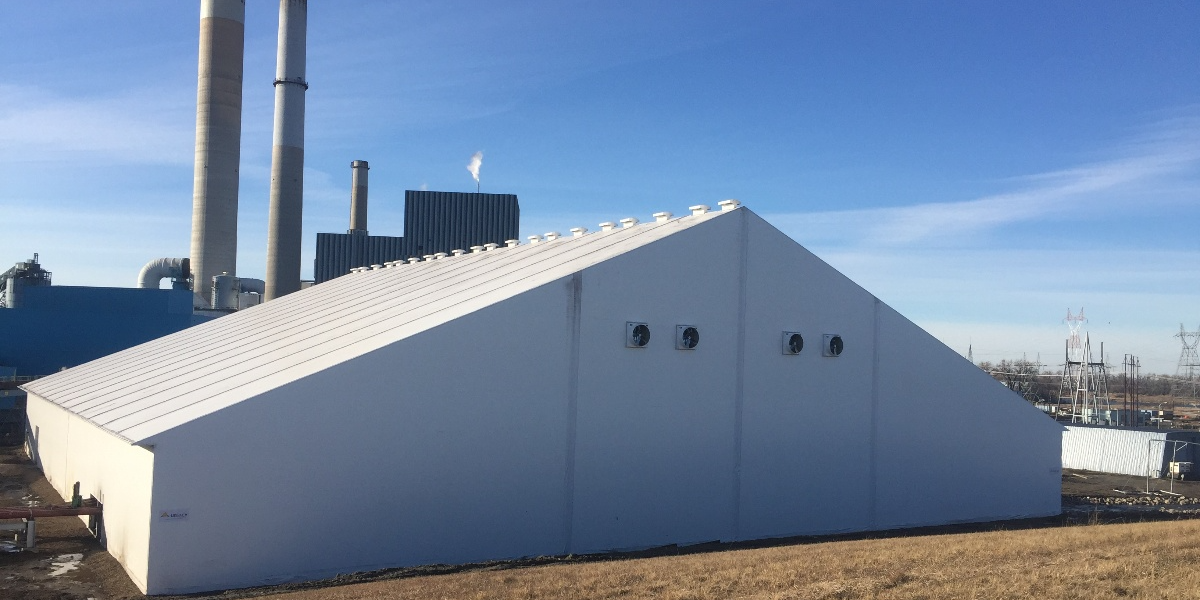
Oil, gas, and energy operations demand facilities that can withstand harsh conditions, support critical operations, and deploy quickly to remote sites and sites under development. Legacy Building Solutions specializes in custom-engineered fabric structures designed to meet these unique challenges. Here’s how our solutions stand apart for the energy sector.
Custom Fabric Structures for Oil & Gas Operations
Energy projects are often located in undeveloped places—drilling and exploration often occur in rugged, isolated locations where infrastructure is limited. Traditional construction methods, such as metal or concrete, can be costly, slow to build, and difficult to transport to these areas.
Rigid, durable tension fabric buildings provide a faster, efficient, and more adaptable alternative. Legacy’s custom-designed fabric structures are engineered to meet specific project and location needs, whether for equipment storage, chemical plants, highly corrosive facilities, processing facilities, workforce housing, or vehicle maintenance. The fabric cladding reduces shipping weight, while pre-engineered, designed-to-suite structural framing allow for customized layouts and clearances that maximize operational efficiency.
Additionally, the natural light transmission of fabric buildings reduces the need for artificial lighting during daylight hours, lowering operational costs and creating a safer, more productive environment for crews working long shifts.
Corrosion Resistance in Harsh Oil & Gas Environments
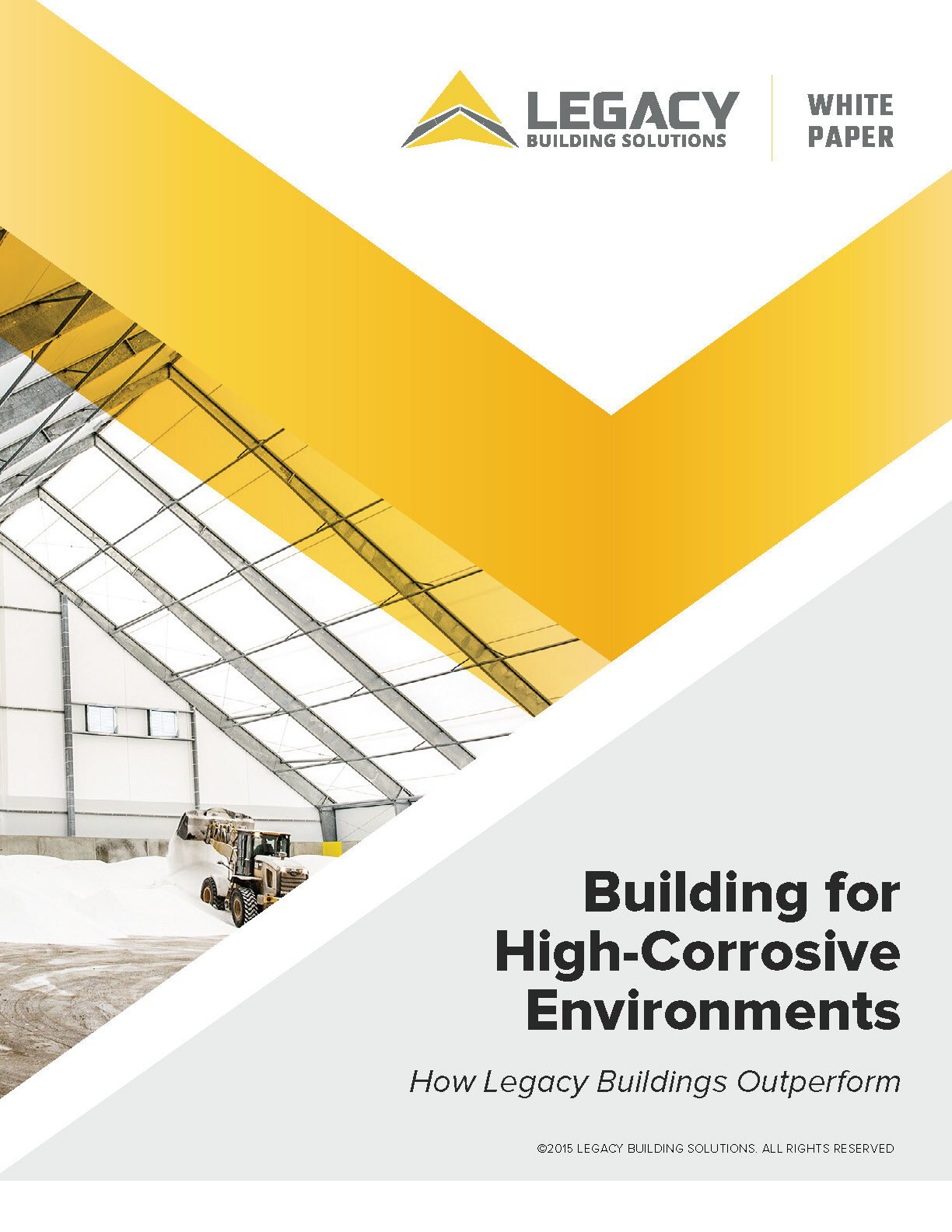
One of the biggest threats to infrastructure in the oil and gas industry is corrosion. Offshore and coastal projects face salty, marine-like conditions, while inland drilling sites are often exposed to high wind, high humidity, and chemical exposure. These harsh conditions can cause traditional metal-clad structures to deteriorate quickly, leading to frequent repairs and costly downtime.
Legacy Building Solutions combats this with EpoxxiShield™ epoxy coatings, engineered steel frames paired with high-tensile membrane cladding. Unlike metal panels, membrane claddings will not rust, corrode, or peel, even after years of exposure. This combination creates a durable, low-maintenance facility that stands up to the harshest operating environments.
The result? Lower lifecycle operation expenses, fewer maintenance interruptions, and the peace of mind that your operation’s infrastructure will remain reliable when it matters most.
Rapid Deployment of Fabric Structures for Energy Projects
Energy exploration is a race against time, often operating within the limits of permitted site development. Delays in setting up infrastructure can stall exploration schedules, inflate budgets, and push project timelines off track. Engineering, procurement, and construction (EPC) firms need solutions that deliver speed without sacrificing quality.
Legacy’s prefabricated fabric structures are engineered for rapid deployment, designed by builders. Components are manufactured off-site, packaged and shipped efficiently, and installed quickly—even in remote areas with minimal infrastructure. In fact, most often a Legacy building can be erected 30-50% faster than the time it takes to build with traditional materials, with the same crew and equipment resources.
For EPCs, this speed translates directly into cost savings and faster project execution. The sooner an exploration site is operational, the sooner it can begin producing results.
Ready to strengthen your energy project with a durable, rapidly deployable fabric structure?
Contact
Legacy Building Solutions today to discuss your project needs and see how our custom-engineered solutions can keep your operations moving forward.